Why Allergen Control Is More Than a Labeling Issue
Written by: Rachel Krubsack
Date Posted: 09/02/2026
Allergen management remains one of the most preventable – yet most serious – food safety concerns in the industry. Most allergen-related recalls don’t happen because of incorrect labels alone. They happen because of cross-contact, inconsistent sanitation, or breakdown in daily process discipline. What truly protects consumers is strong allergen control behaviors in daily operations.
Key areas that protect against allergen risk include:
1. Segregation
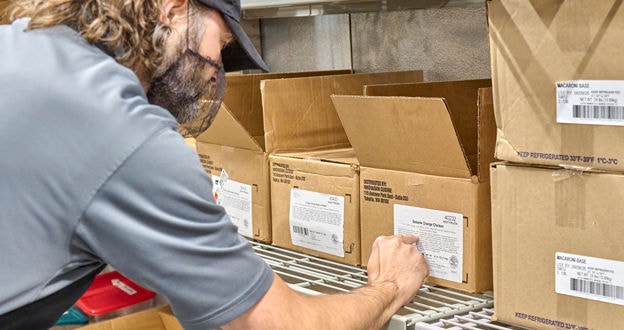
- Keeping allergen and non-allergen materials segregated prevents accidental mixing during storage, staging, or production.
2. Sanitation
- Validated cleaning removes allergen residues that can trigger reactions. Even small lapses – a missed wipe, shared tools, rushed cleaning – can create risk.
3. Changeover Discipline
- Changeovers must be performed the same way every time. Inconsistent execution is one of the most common causes of cross-contact.
4. Employee Awareness
Employees must know:
- Which allergens are present
- Where they are stored
- How cross-contact happens
- Why small mistakes can have big consequences
- Awareness is one of the strongest preventive tools we have.
How cross-contact happens
Cross-contact risks emerge when controls are inconsistent, including:
- Shared utensils or equipment
- Incomplete cleaning
- Incorrect storage
- Rushed production schedules
- Untrained temporary staff
- Poor line clearance
- Miscommunication between shifts
- These risks are preventable – but only when processes are followed every time.
The Role Every Employee Plays in Allergen Prevention
Allergen control is not just a labeling issue. It’s discipline, daily practice, and shared responsibility across the entire facility. When segregation, sanitation, and changeovers are done consistently, allergen risks drop dramatically. Whey they’re not, cross-contact becomes one of the most common and preventable causes of food recalls.
Allergen awareness training helps employees understand their role in preventing allergen cross-contact and reducing allergen-related risks throughout daily operations. This understanding is essential for protecting consumers, maintaining compliance, and reinforcing a strong food safety culture while safeguarding the brand.
Get Online Food Safety Training
When your employees understand how their actions impact food safety, everyone benefits. J. J. Keller's food safety training helps food manufacturers, processors, distributors and related facilities equip employees with the knowledge and confidence to follow procedures, prevent contamination and support compliance efforts.
Why J. J. Keller® Training?

ROBUST ONLINE TRAINING LIBRARY
Access the industry’s largest online training library, consisting of 950+ unique E-Learning courses, 500+ customizable training resources, and more.

STREAMING VIDEO FOR ADDED IMPACT
Make the most of your classroom training sessions with 300+ hi-res training videos developed by adult learning specialists.

EASY ACCESS ANYTIME, ANYWHERE
Enjoy maximum flexibility with 24/7 access to hundreds of titles through our mobile-friendly site, plus a free app for learners to train on the go.

EXPERT CONTENT YOU CAN TRUST
Backed by 70 years of industry experience, our courses center on actionable learning objectives and receive regular updates from our in-house experts to reflect the latest regulatory changes.

FREE RECORDKEEPING AND REPORTING
Easily track which employees have been trained on which topics and when, and identify any lapses in your training program – at no added cost.
INVALUABLE MANAGEMENT RESOURCES
As an administrator, you’ll gain exclusive access to the J. J. Keller® Reference Hub, where you can reference word-for-word regulations, ask our experts specific compliance questions, and more.